

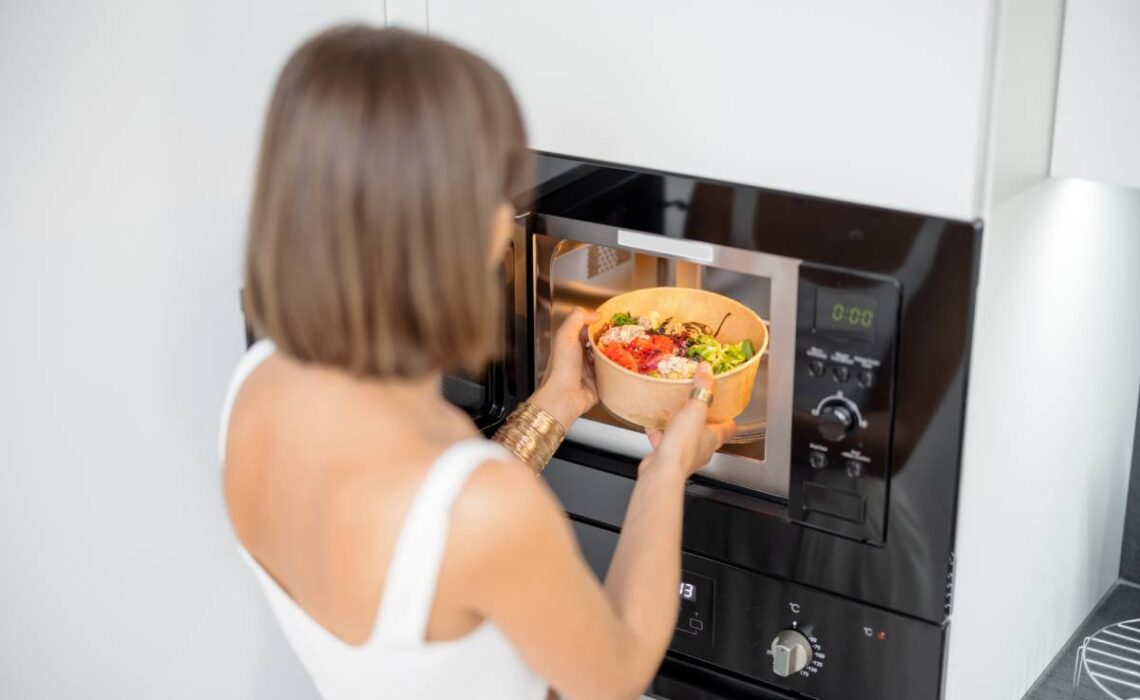
When it comes to reheating or cooking food in the microwave, convenience is king. But not all food containers are created equal. Some materials can warp, leach harmful chemicals, or even catch fire when exposed to microwave radiation. Knowing which food containers are safe for microwave use is essential not just for preserving the quality of your meals, but also for protecting your health.
In this comprehensive guide, we’ll explore which food containers are microwave-safe, which ones to avoid, how to identify microwave-safe symbols, and essential safety tips to follow when using any container in the microwave.
Why Microwave Safety Matters
Microwaves cook by producing electromagnetic waves that cause water molecules in food to vibrate, generating heat. While this process is quick and efficient, certain materials can react poorly to microwave exposure. Plastics, in particular, may melt, leach chemicals like BPA, or release toxic fumes if not microwave-safe. Using the wrong containers can lead to:
- Food contamination
- Melted or deformed containers
- Fire hazards
- Uneven cooking
That’s why it’s important to understand what materials are microwave-friendly.
Microwave-Safe Container Materials
Let’s start by looking at common materials that are generally safe for microwave use:
1. Glass Containers
Glass is one of the best materials for microwave use. It heats evenly, doesn’t leach chemicals, and can withstand high temperatures.
Pros:
- Durable and reusable
- Free from harmful chemicals
- Doesn’t absorb odours or stains
Cons:
- Can get very hot
- May crack if exposed to sudden temperature changes (thermal shock)
Look for labels like “microwave safe” or use heat-resistant glass like Pyrex or borosilicate glass.
2. Ceramic Containers
Like glass, ceramic is safe for the microwave, provided it doesn’t have metallic paint or trim.
Pros:
- Aesthetic and heat-stable
- Non-reactive with food
Cons:
- Can be heavy and breakable
- May develop cracks if poorly glazed
Avoid using cracked or chipped ceramics, as they can absorb moisture and explode under microwave heat.
3. Microwave-Safe Plastics
Not all plastics are unsafe. Some are specifically designed for microwave use and are labelled accordingly.
Look for:
- The microwave-safe symbol (a microwave or wavy lines)
- BPA-free label
- Numbered resin codes like #5 (polypropylene), which is considered microwave-safe
Avoid:
- #3 (PVC), #6 (polystyrene), and #7 (polycarbonate) plastics, which may leach chemicals when heated
Tip: Even if marked microwave-safe, avoid microwaving plastic for prolonged periods or with high-fat foods, as heat can cause degradation.
4. Silicone
Silicone containers and lids are flexible, lightweight, and safe for both the microwave and the oven.
Pros:
- Doesn’t leach chemicals
- Resists heat up to 220°C or more
- Non-stick and easy to clean
Cons:
- May retain smells from strong spices or food
- Can be floppy or unstable without support
Use FDA-approved food-grade silicone for peace of mind.
Containers to Avoid in the Microwave
Just as there are safe options, there are materials you should never use in the microwave:
1. Metal Containers
Metal reflects microwave energy and can cause sparks or fires. This includes aluminium foil, metal pans, and containers with metallic handles or trim.
2. Styrofoam
Polystyrene (often known as Styrofoam) is lightweight and cheap but breaks down under heat. It can leach harmful chemicals into food, especially greasy or acidic items.
3. Single-Use Plastic Takeout Containers
Unless labelled microwave-safe, avoid reheating in takeout containers. These are not designed for repeated heat exposure and may melt or release harmful substances.
4. Brown Paper Bags and Newspaper
Never use newspaper or paper bags in the microwave. They can catch fire, contain inks and dyes, and are not food-safe.
5. Plastic Wrap (Cling Film)
Some plastic wraps are microwave-safe, but many are not. Even the safe ones should not touch the food, as melting can occur. Use wax paper or a microwave-safe lid instead.
How to Tell If a Container Is Microwave-Safe
Manufacturers often label containers with clear microwave indicators. Here’s how to spot them:
1. Microwave Symbol
Look for:
- A microwave icon
- Wavy lines
- “Microwave safe” text
2. Resin Identification Code (for Plastics)
These numbers are often inside a triangle on the bottom of containers:
- #5 (PP – Polypropylene): Safe
- #1 (PET): Safe for single use but not recommended for reuse
- #7 (Other): May contain BPA – not safe unless specified
- 3. Manufacturer Labelling
Some containers may include icons for oven, freezer, dishwasher, and microwave. Always follow the symbols for intended use.
Practical Tips for Using Containers in the Microwave
Even with microwave-safe containers, you still need to take precautions for safety and performance:
1. Avoid Sealing Lids Tightly
Microwaving food in a sealed container can cause pressure to build up and lead to explosions. Always vent or loosely place the lid.
2. Stir and Rotate Food
Microwaves heat unevenly. Stirring halfway and rotating the container ensures more consistent heating.
3. Use Microwave Covers
Use a microwave-safe cover or splatter guard to prevent food from exploding or splattering. This also retains moisture during heating.
4. Be Cautious with Fatty or Sugary Foods
These heat up faster and can reach high temperatures that may damage containers.
5. Let Food Sit After Heating
Food continues to cook after microwaving. Let it sit for a minute or two for even temperature distribution.
Special Note: Reheating Baby Food and Milk
Parents should be extra cautious when microwaving baby food or formula:
- Always use BPA-free, microwave-safe containers
- Never microwave formula bottles directly; use warm water instead
- Stir thoroughly and test temperature before feeding
Environmental Impact of Reusable Microwave Containers
Switching to reusable microwave-safe containers like glass or silicone not only improves food safety but also reduces environmental waste. Consider investing in high-quality, long-lasting options to avoid disposable plastic use.
Conclusion
Not every container is created equal when it comes to microwave use. The safest choices are clearly labelled microwave-safe glass, ceramic, silicone, and certain plastics (like polypropylene). Avoid metal, polystyrene, and most disposable takeout containers.
By choosing the right containers and following basic microwave safety practices, you can protect your health, preserve your food, and extend the life of your containers. So next time you’re about to reheat last night’s leftovers, take a moment to check what you’re putting into the microwave—it might just save your dinner, your microwave, or even your health.